
Eye Exams. How Often Should Adults Be Getting One?
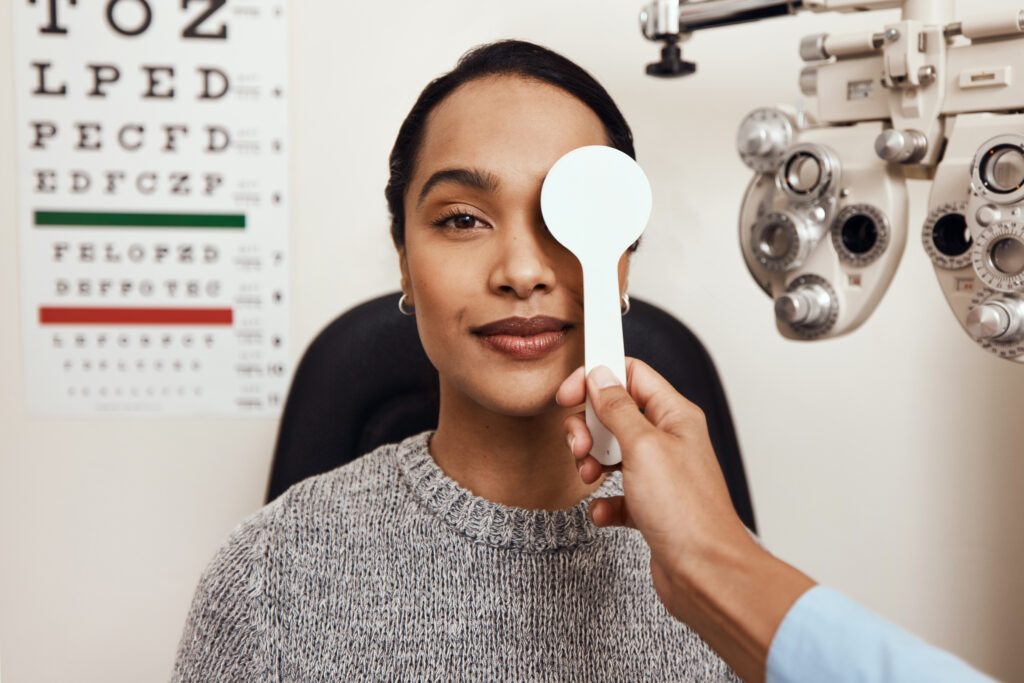
Even if your vision seems fine, regular eye exams are important for protecting your eye health. Conditions like glaucoma and diabetic retinopathy can develop without noticeable symptoms. So, how often should you book an eye exam? Let’s look at the recommended schedule, common risk factors and what to expect during your visit. How Often Should You Get an Eye Exam? According to the Canadian Association of Optometrists, adults with no symptoms or known risk factors should generally follow these guidelines [1]: Ages 20 to 64: Every two years. Ages 65 and older: Every year, or as recommended by your optometrist. These recommendations are a starting point. Depending on your health, family history and individual needs, your optometrist may suggest more frequent appointments. Regular eye exams do more than determine whether you need glasses. They also help your optometrist identify changes in your eye health, sometimes before you notice anything unusual. When Might You Need More Frequent Eye Exams? While age helps determine how often you should have an eye exam, certain health conditions and risk factors may mean your eyes need closer attention. Diabetes Diabetes can affect the small blood vessels in the retina, the light-sensitive tissue at the back of your eye. Over time, this can lead to diabetic retinopathy, a condition that may affect your vision. Because early signs aren’t always noticeable, regular retinal exams are especially important. Diabetes Canada recommends the following screening schedules [2]: Type 1 diabetes: Annual retinal screening beginning five years after diagnosis for individuals aged 15 and older. Type 2 diabetes: A retinal exam at diagnosis, followed by screening every one to two years if no diabetic retinopathy is found. Existing diabetic retinopathy: More frequent monitoring may be needed depending on the severity of the condition. At Fallon Vision Group, our team offers diabetic eye exams and retinal imaging to help monitor changes in your eye health. Learn more about our eye disease management services. Glaucoma and Family History Glaucoma is an eye condition that damages the optic nerve, which carries visual information from your eyes to your brain. It often develops gradually, without pain or noticeable vision changes. You may have a higher risk of developing glaucoma if you: Have a parent or sibling with glaucoma. Are older, particularly as your risk increases with age. Have high eye pressure. Are significantly nearsighted (high myopia). If you have these risk factors, your optometrist may recommend more frequent eye exams. They may also use tests such as tonometry, which measures eye pressure, OCT imaging and visual field testing to look for changes that could indicate glaucoma. Macular Degeneration and Other Retinal Conditions Age-related macular degeneration (AMD) affects your central vision, making activities like reading, driving and recognizing faces more difficult. Your risk may be higher if you have: A family history of macular degeneration. A history of smoking. Increasing age. Certain medications can also affect retinal health, so it’s important to tell your optometrist about any prescriptions you’re taking. Depending on your needs, your optometrist may recommend additional testing, including OCT imaging, to examine your retina and monitor changes over time. What Happens During a Comprehensive Eye Exam? A comprehensive eye exam involves more than reading letters on a chart. Your optometrist checks your vision and examines the overall health of your eyes. During your appointment, your optometrist may: Check your vision: Determine how clearly you can see and whether you need glasses or an updated prescription. Examine your eyes: Look for signs of irritation, damage or eye disease. Measure eye pressure: Use a test called tonometry to help assess your risk of glaucoma. Assess your retina and optic nerve: Check for changes that may indicate certain eye conditions. Recommend additional testing: Use retinal imaging or other diagnostic tools when needed. Your optometrist will also review your medical history, medications and any vision concerns you may have. Will Your Eyes Need to Be Dilated? Sometimes, your optometrist may use special eye drops to make your pupils larger. This is called dilation, and it allows them to get a clearer view of your retina and optic nerve. Dilation is generally quick and painless, although it can temporarily make your vision blurry or more sensitive to light. If your eyes need to be dilated: Bring sunglasses to help with light sensitivity. Expect some blurriness for a few hours afterward. Ask your optometrist whether you should arrange a ride home. Not every eye exam requires dilation. Your optometrist will determine whether it’s necessary based on your eye health and examination results. Want to learn more? Read about the common eye problems uncovered by comprehensive eye exams. When Should You Book an Eye Exam Sooner? You don’t have to wait until your next scheduled appointment if you’ve noticed changes in your vision. Consider booking an eye exam if you’re experiencing: Blurry vision or difficulty focusing. Frequent headaches or eye strain. Trouble seeing clearly at night. Changes in how well you see with your glasses or contact lenses. Ongoing eye discomfort. Some vision changes require immediate attention. Sudden flashes of light, a sudden increase in floaters, vision loss or a dark shadow across your vision could indicate a serious eye condition. If you experience any of these symptoms, seek urgent eye care rather than waiting for a routine appointment. Frequently Asked Questions How does glaucoma risk affect how often I need an eye exam? If you have a family history of glaucoma, high eye pressure or significant nearsightedness, your optometrist may recommend annual exams or more frequent monitoring. Regular testing helps identify changes in your eye pressure and optic nerve over time. Why do people with diabetes need more frequent eye exams? Diabetes can damage the small blood vessels in your retina before you notice any vision changes. Regular retinal exams help detect these changes early, allowing your healthcare team to recommend appropriate monitoring or treatment. Do I need an eye exam every year if my vision is fine? Not necessarily. Adults aged 20 to 64 with no
Protected: Contact Lens Eye Infection: Warning Signs, Causes, and When to Stop Wearing Lenses

There is no excerpt because this is a protected post.