How Do You Know if Your Headache is Caused By Eye Issues?
How Do You Know if Your Headache is Caused By Eye Issues? Home > Blog > How Do You Know if Your Headache is Caused By Eye Issues? While headaches can be caused by various factors, they can also be a symptom of an underlying eye issue. This intersection of headaches and eye issues might seem unfamiliar territory for many, but it’s a significant area that needs to be addressed. Furthermore, headaches can be a sign of different types of eye conditions, from the relatively benign to the more serious. It’s crucial to understand the connection and be aware of when to seek medical attention. Common Eye Issues That Can Contribute To Headaches Eye strain can cause headaches due to overuse of the eye muscles. This is common among people who spend long hours in front of screens or those who do detailed work that requires intense focus. Glaucoma, on the other hand, is a condition that damages the eye’s optic nerve, typically due to high pressure in the eye. This can lead to severe vision loss and headaches. Refractive errors, like nearsightedness, farsightedness, and astigmatism, can also contribute to headaches. These conditions occur when the shape of your eye prevents light from focusing directly on the retina. This leads to blurred vision, which can cause strain on the eyes and result in headaches. The Benefits Of Regular Eye Exams Regular eye exams can help detect eye issues early, allowing for timely treatment and potentially preventing headaches. Not only can these exams identify eye conditions like glaucoma and refractive errors, but they can also detect other health issues like diabetes and high blood pressure, which can sometimes manifest as eye problems. Regular eye exams also ensure that your prescription for glasses or contact lenses is up-to-date. Wearing the wrong prescription can strain your eyes and lead to headaches. Therefore, keeping your prescription current can help prevent these headaches. The Role Of An Optometrist In Diagnosing And Treating Eye Issues Optometrists are primary health care specialists trained to examine, diagnose, treat, and manage diseases and disorders of the visual system. If you experience regular headaches, particularly if they are accompanied by vision problems, an optometrist can perform a thorough eye exam to determine if an eye issue is the root cause of your headaches. They can also provide treatment options, which could include corrective eyewear or medication. Vision correction methods, such as glasses or contact lenses, can drastically reduce headaches caused by eye issues. Corrective eyewear works by adjusting the way light enters your eyes, helping it to focus on the retina accurately and reducing the need for your eyes to strain. Alleviating Headache Symptoms And Maintaining Your Eye Health The connection between eye health and overall well-being is undeniable. Headaches caused by eye issues can significantly impact your quality of life. Therefore, understanding this connection, knowing the common symptoms, and regularly getting your eyes checked can help maintain not only your eye health but also your overall well-being. If you are experiencing persistent headaches, consult with our professionals at Dr. Fallon Patel and Associates. We will determine if an eye issue is causing your headaches and guide you on the right treatment options. visit Fallon Vision Group at our offices in Etobicoke, Oakville, Burlington, Stoney Creek or Hamilton, Ontario. Please call (647) 424-1485, (289) 815-6141, (289) 266-0284, or (289) 816-6432 to schedule an appointment today. All Eye Care Services Learn More Keep In Touch Learn More Book Your Eye Exam Today! Your vision is invaluable—don’t wait until your symptoms worsen. Whether you’re experiencing headaches, blurry vision, or eye discomfort, the team at Fallon Vision Group is here to help. Visit us at one of our conveniently located offices in Etobicoke, Hamilton, Burlington, Oakville, or Stoney Creek to schedule your comprehensive eye exam and take the first step toward protecting your vision. Book Now Quick Link Home About Us Locations EyeCare Services Contact Lens Services Insurance Exam Fees Testimonials Blogs Information Terms and Conditions Privacy Policy FAQ get in touch Social media : Facebook Instagram Linkedin Tiktok © 2024 Fallon Vision Group – All Rights Reserved Privacy Policy – Sitemap – Accessibility Statement
Signs Your Child May Need an Eye Exam
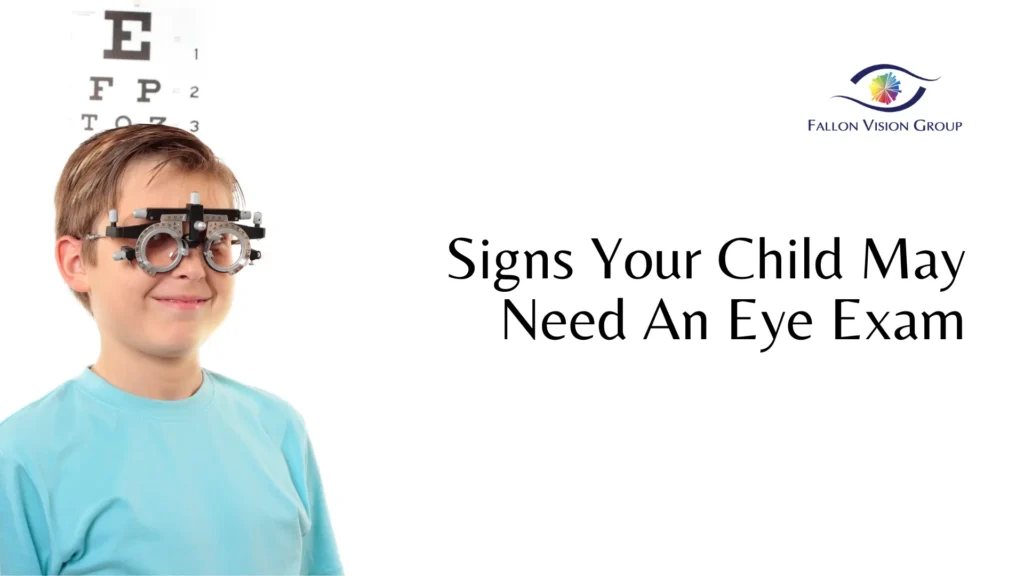
Signs Your Child May Need an Eye Exam Home > Blog > Signs Your Child May Need an Eye Exam Eye problems are not uncommon in children. Among these, myopia, or nearsightedness, is one of the most prevalent eye conditions. This is a refractive error where your child can see close objects clearly, but distant objects appear blurred. Understanding eye health and myopia in children is crucial for early detection and intervention, which can significantly impact your child’s quality of life. Understanding Myopia In Children Myopia in children is typically caused by an elongated eyeball or a cornea with too much curvature. These abnormalities cause light entering the eye to focus in front of the retina instead of directly on its surface, leading to blurred distant vision. While the exact cause of these abnormalities is unknown, both genetic and environmental factors are believed to play a role. The impact of myopia on your child’s life can be profound. It can affect their academic performance, as they may have difficulty seeing the board or reading materials from a distance. It can also limit their participation in sports and other activities that require good distant vision. Moreover, myopia in children can progress over time, potentially leading to severe visual impairment in adulthood if not addressed promptly. Understanding Myopia In Children Myopia in children is typically caused by an elongated eyeball or a cornea with too much curvature. These abnormalities cause light entering the eye to focus in front of the retina instead of directly on its surface, leading to blurred distant vision. While the exact cause of these abnormalities is unknown, both genetic and environmental factors are believed to play a role. The impact of myopia on your child’s life can be profound. It can affect their academic performance, as they may have difficulty seeing the board or reading materials from a distance. It can also limit their participation in sports and other activities that require good distant vision. Moreover, myopia in children can progress over time, potentially leading to severe visual impairment in adulthood if not addressed promptly. Signs Your Child May Need An Exam Identifying the signs and symptoms of myopia in your child can be a challenge. Kids often do not complain about their vision, as they may not realize that their sight isn’t normal. However, there are several signs you can look out for. Your child may squint or frown when trying to focus on distant objects. They may also sit too close to the television, hold books very close when reading, or complain of headaches or tired eyes after prolonged visual tasks. If your child displays these signs, it could indicate the presence of myopia and necessitate an eye exam. Apart from the signs of myopia, there are other indications that your child may need an eye exam. Persistent eye rubbing, sensitivity to light, difficulty with eye-hand-body coordination, avoidance of close-up activities like reading, or frequent blinking could point to eye health issues. Also, if your child has trouble concentrating on their schoolwork, it might not necessarily be due to a learning or attention problem. It could be that they’re simply having difficulty seeing. That’s why it’s crucial to have your child’s eyes examined if they’re struggling academically. The Role Of Regular Eye Exams For Children Regular eye exams are crucial in detecting eye problems early when they’re most treatable. An eye exam is a comprehensive evaluation of your child’s vision and the health of their eyes. It can detect not only refractive errors like myopia but also other serious eye conditions that may not have obvious symptoms. Eye exams are particularly important for school-age children. Studies show that up to 25% of school-aged children have vision problems, which can affect their learning and academic performance. Therefore, regular eye exams are essential for ensuring that your child’s vision is not a barrier to their success in school and beyond. The Role Of Regular Eye Exams For Children Regular eye exams are crucial in detecting eye problems early when they’re most treatable. An eye exam is a comprehensive evaluation of your child’s vision and the health of their eyes. It can detect not only refractive errors like myopia but also other serious eye conditions that may not have obvious symptoms. Eye exams are particularly important for school-age children. Studies show that up to 25% of school-aged children have vision problems, which can affect their learning and academic performance. Therefore, regular eye exams are essential for ensuring that your child’s vision is not a barrier to their success in school and beyond. Conclusion Your child’s eye health should never be taken for granted. Understanding the causes, signs, and symptoms of myopia in children, and the importance of regular eye exams, can go a long way in ensuring your child’s visual health and overall wellbeing. If you suspect that your child may have myopia or other vision problems, visit Fallon Vision Group at our offices in Etobicoke, Oakville, Burlington, Stoney Creek or Hamilton, Ontario. Please call (808) 515-5786, (289) 815-6141, (289) 266-0284, or (289) 816-6432 to schedule an appointment today. All Eye Care Services Learn More Keep In Touch Learn More Quick Link Home About Us Locations EyeCare Services Contact Lens Services Insurance Exam Fees Testimonials Blogs Information Terms and Conditions Privacy Policy FAQ get in touch Social media : Facebook Instagram Linkedin Tiktok © 2024 Fallon Vision Group – All Rights Reserved Privacy Policy – Sitemap – Accessibility Statement
Understanding Refraction Test: What It Is And Why It’s Important
Understanding Refraction Test: What It Is and Why It’s Important Home > Blog > Understanding Refraction Test When it comes to maintaining the health of your eyes, a term you might frequently encounter is the ‘refraction test’. This examination plays a pivotal role in determining your optical health and ensuring that any vision problems you may have are correctly addressed. What Is A Refraction Test? A refraction test, often performed during a routine eye exam, is designed to ascertain your exact prescription for eyeglasses or contact lenses. When light waves enter your eyes, they bend, or refract, and the way they converge on the retina determines how clearly you see. The test measures how your eyes bend these light waves and helps to identify refractive errors like nearsightedness, farsightedness, or astigmatism. Regular administration of the refraction test is crucial, as your vision can change over time due to factors such as aging, health conditions, or injury. By routinely checking your eye’s ability to focus light, any changes can be detected early on, allowing for timely updates to your prescription and prevention of further deterioration of your eyesight. The Refraction Test Process During the test, you’ll typically be seated in a chair with your chin and forehead resting on a support to keep your head steady. An optometrist will use an instrument called a phoropter, which is placed in front of your eyes and contains various lenses. You’ll be asked to look through the phoropter at a chart, usually positioned at a distance, while different lenses are rotated into place. Your feedback on which lenses give you the clearest vision is crucial to determining your prescription. What To Expect After The Test Once the refraction test is completed, your eye care provider will discuss the results with you. If a refractive error is detected, they will provide you with a prescription for corrective lenses. An accurate refraction test is the foundation for effective vision correction. With the right prescription, you can enjoy crisp, clear vision, which impacts everything from reading to driving. It can also alleviate eye strain, headaches, and fatigue that often accompany uncorrected refractive errors. Conclusion Understanding the refraction test and its importance is essential for anyone who values their vision and overall eye health. It’s a simple yet powerful tool that can help maintain your quality of life by ensuring that you see the world as clearly as possible. If you have any further questions about the refraction test or would like to schedule an eye exam, visit Fallon Vision Group at our offices in Etobicoke, Oakville, Burlington, Stoney Creek or Hamilton, Ontario. Please call (647) 424-1485, (289) 815-6141, (289) 266-0284, or (289) 816-6432 to schedule an appointment today. All Eye Care Services Learn More Keep In Touch Learn More Book Your Eye Exam Today! Your vision is invaluable—don’t wait until your symptoms worsen. Whether you’re experiencing headaches, blurry vision, or eye discomfort, the team at Fallon Vision Group is here to help. Visit us at one of our conveniently located offices in Etobicoke, Hamilton, Burlington, Oakville, or Stoney Creek to schedule your comprehensive eye exam and take the first step toward protecting your vision. Book Now Quick Link Home About Us Locations EyeCare Services Contact Lens Services Insurance Exam Fees Testimonials Blogs Information Terms and Conditions Privacy Policy FAQ get in touch Social media : Facebook Instagram Linkedin Tiktok © 2024 Fallon Vision Group – All Rights Reserved Privacy Policy – Sitemap – Accessibility Statement